
 EN
EN
 AR
AR BG
BG HR
HR CS
CS DA
DA NL
NL FI
FI FR
FR DE
DE EL
EL HI
HI IT
IT JA
JA KO
KO NO
NO PL
PL PT
PT RO
RO RU
RU ES
ES SV
SV TL
TL IW
IW ID
ID SR
SR ET
ET MT
MT TH
TH TR
TR FA
FA AF
AF MS
MS GA
GA CY
CY MK
MK EU
EU KA
KA LA
LA NE
NE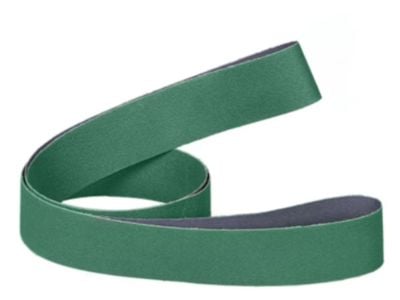
Woodworking and DIY projects can be a lot of fun, but they also need the right tools and materials. One important part of these projects is sanding sponge for wood. Polishing helps make your wood projects smooth and shiny. To do this well, you need to choose the right abrasive cloth and sanding sponge. In this guide, we will talk about what abrasive cloths are best for woodworking and how to pick the right sanding sponge for your needs. At Aimchamp, we want to help you get the best results in your woodworking projects.
What Are the Best Abrasive Cloths for Woodworking and DIY Projects?
Abrasive cloths are special materials that help smooth out wood surfaces. They are made of a cloth backing with tiny bits of rough material on one side. This roughness is what helps to sand the wood. There are different types of abrasive cloths for different tasks. For woodworking, you want to look for cloths that are durable and have the right grit. Grit refers to how rough or smooth the cloth is. A lower number, like 60, means it is rough and will remove a lot of material quickly. Higher numbers, like 220, are smoother and are good for finishing touches.
For big jobs like sanding down a table, you might start with a rougher cloth. Then, you can switch to a smoother one for a nice finish. Some great choices for woodworking include aluminum oxide cloths. These are strong and last a long time. Another option is silicon carbide cloths, which work well for sanding both wood and metal. When choosing an abrasive cloth, think about the type of wood you are working with. Soft woods like pine may need less roughness than hard woods like oak. Always remember to use a clean cloth for the best results, as dust and debris can scratch your wood.
How to Choose the Right Sanding Sponge for Your Wood Finishing Needs?
Sanding sponges are another handy tool for woodworking projects. They are made of a sponge material coated with abrasive particles. The cool thing about sanding sponges is that they can fit into tight spots and corners where other tools might not work well. When picking a sanding sponge, think about the shape and size you need. Some sponges are flat, while others have angles to help you reach tricky areas.
The grit of the sanding sponge is just as important as the cloth. For finishing work, choose a finer grit, usually around 220 or higher. If you’re doing heavy sanding, you might want a coarser sponge first. Sanding sponges come in different shapes and sizes, so you can pick one that suits your project. When using a sanding sponge, be gentle and let it do the work. Pressing too hard can damage the wood.
At Aimchamp, we know that having the right tools makes all the difference in your projects. So, remember to choose the right abrasive cloth and sanding sponge. This will help you get beautiful results in your woodworking and DIY tasks. Happy sanding.
When it comes to woodworking, choosing the right sanding sponges is important. This helps make your wood projects look great! Different types of wood surfaces need different sanding sponges. For softwoods, like pine, you can use a medium grit sanding sponge. It will help smooth the surface without damaging the wood. On the other hand, hardwoods, like oak, need a finer grit sponge. This wood grinding disc helps to avoid scratches and gives a nice, smooth finish. There are also sanding sponges designed for curved or detailed areas. These sponges are shaped to fit into tight corners or rounded edges. They can make it easier to reach places that regular sandpaper cannot. Aimchamp offers a variety of sanding sponges that can help you with your projects, no matter the wood type or shape. Remember, the right sponge can make a big difference in how your wood looks. So, when you start your next woodworking project, think about what type of sanding sponge you need. This will help you create a beautiful finish on your wood.
Grit ratings are another important part of sanding.
Grit is a number that tells you how rough or smooth the sandpaper or sponge is. A lower grit number, like 60 or 80, is rougher and removes a lot of material quickly. This is great for rough surfaces or when you need to take off old paint. However, it can leave scratches on the wood, so you might need to follow up with a finer grit. A medium grit, like 120 or 150, is good for smoothing out surfaces. Finally, high grit numbers, like 220 or higher, are very fine. These are used for the final touches to make the wood super smooth and ready for finishing. Using the right grit at the right time is key to getting a nice finish. Aimchamp has a range of sanding products with different grit options, so you can find what you need for your project. Knowing how grit ratings work will help you choose the right tools for your woodworking. This way, you can be sure your wood project will look its best.
In 2023, there are some exciting trends in abrasive cloths for woodworking.
Many woodworkers are looking for products that are not only effective but also good for the environment. This means using sandpaper made from recycled materials or that can be recycled after use. Another trend is the use of cloths that are easier to use and last longer. These new cloths don’t tear or wear out quickly, which makes them cost-effective. Many people are also interested in multi-purpose sandpaper. This means one piece can work on different surfaces, saving time and effort. Aimchamp is at the forefront of these trends, offering innovative abrasive cloths that meet the needs of modern woodworkers. These new products can help improve your sanding experience and make your woodworking projects more enjoyable. By keeping up with these trends, you can ensure that your woodworking is not only beautiful but also in line with the latest hardwood floor sandpaper in the industry.