
 EN
EN
 AR
AR BG
BG HR
HR CS
CS DA
DA NL
NL FI
FI FR
FR DE
DE EL
EL HI
HI IT
IT JA
JA KO
KO NO
NO PL
PL PT
PT RO
RO RU
RU ES
ES SV
SV TL
TL IW
IW ID
ID SR
SR ET
ET MT
MT TH
TH TR
TR FA
FA AF
AF MS
MS GA
GA CY
CY MK
MK EU
EU KA
KA LA
LA NE
NE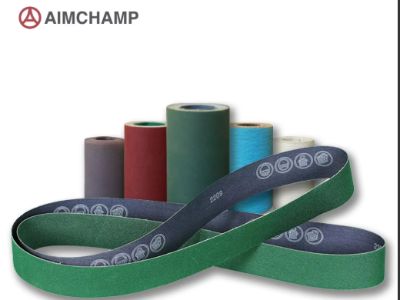
When it comes to sanding belts, two common types are zirconia alumina and aluminum oxide. Both are used for different sanding tasks, but they have unique features that make them special. If you’re busy working on a project, knowing which sanding belt to use can help you save time and get the job done right. Aimchamp offers both types of sanding belts, and understanding them can help you make the best home depot sanding belts choice for your needs.
What Is Zirconia Alumina and How Does It Compare to Aluminum Oxide Sanding Belts?
Zirconia alumina is a type of abrasive material made from zirconium dioxide and aluminum oxide. It is tough and can handle heavy use. This makes zirconia alumina sanding belts perfect for rougher jobs, like sanding metal or removing paint. They are designed to last longer than aluminum oxide belts, especially when used on harder surfaces. On the other hand, aluminum oxide sanding belts are made from aluminum oxide only. They are great for lighter work, such as sanding wood or finishing surfaces. While they do work well, they might wear down more quickly than zirconia alumina belts, especially when used on tougher materials. If you need something that can tackle heavy-duty tasks without breaking down, zirconia alumina is the better choice. But if you’re working on softer surfaces and need something more affordable, aluminum oxide could be just right for you. Each type of sanding belt has its own purpose, and knowing what you need helps you choose wisely.
How Does the Durability of Zirconia Alumina Sanding Belts Compare to Aluminum Oxide?
When it comes to durability, zirconia alumina sanding belts really shine. They can handle a lot of pressure and can last much longer than aluminum oxide belts. This is especially true when you are sanding hard materials like metal. Zirconia alumina belts can maintain their sharpness longer, which means you don’t have to change them out as often. Think of it like this: if you were running a race, you want shoes that can last the whole time without wearing out. Zirconia alumina belts are those shoes for tough sanding jobs. Aluminum oxide belts, while useful, don’t hold up as well under heavy use. They can become dull more quickly, which could slow you down in the middle of a project. If you are sanding a lot or dealing with tough materials, you might find yourself changing aluminum oxide belts more often. Ultimately, choosing between these two types of sanding belts can depend on what jobs you need to do. If you want something rugged and long-lasting, go for zirconia alumina. But if you’re just doing some light sanding, aluminum oxide might be enough for your needs. Knowing the differences helps you pick the right tools for the job, and Aimchamp has both options available for you!
What Makes Zirconia Alumina Sanding Belts a Superior Choice for Heavy-Duty Applications?
Zirconia alumina sanding belts are known for being really strong and tough. This makes them a great choice for heavy-duty jobs. When you need to sand large pieces of metal or wood, these belts can handle the pressure. They are made with tiny bits of zirconia mixed with aluminum oxide. This special mix helps the sanding belts last longer and work better. They can grind and sand surfaces without wearing out too quickly. This is very important for people who do a lot of heavy sanding.
Another thing that makes zirconia alumina sanding belts special is how they work. They have a unique grain structure that helps them cut through tough materials. When you use these belts, they can remove more material in a shorter time. This saves you time and effort, which is always a good thing when you have a big project to finish. Plus, because they last longer, you won’t have to change them as often. This means you can keep working without stopping to switch out belts.
Also, zirconia alumina sanding belts are good for different types of surfaces. Whether you are working on metal, wood, or other materials, these belts can do the job well. They are designed to work well even when they get hot. This is important because sanding can create a lot of heat, and some belts can break down under that heat. But not zirconia alumina belts! They can keep going strong, which makes them a favorite among professionals. So, if you have a heavy-duty job, zirconia alumina sanding belts from Aimchamp are a great choice to get the job done right.
How to Maximize Efficiency with Zirconia Alumina and Aluminum Oxide Sanding Belts?
To get the best results with zirconia alumina and aluminum oxide sanding belts, it’s important to use them correctly. First, you need to pick the right belt for your project. Zirconia alumina belts are great for heavy-duty work, while aluminum oxide belts are better for lighter tasks. Knowing what each type of belt can do will help you work more efficiently. If you use the right belt, you will finish your work faster and with better results.
It’s also important to set the right speed on your sanding machine. If the machine is too fast, it can wear out the belt quickly. If it’s too slow, then it might not sand effectively. Aimchamp recommends finding the perfect speed for the sanding belts for belt sanders you are using. You can do a little test on a scrap piece of material to see what speed works best. This way, you can get the most out of your belts and finish your work without wasting time.
Another tip is to keep your sanding belts clean. Dust and debris can build up on the belts, which can make them less effective. You can use a cleaning stick to remove this buildup. This will help the belts work better and last longer. Lastly, remember to change your belts when they start to wear out. Using a worn-out belt can slow you down and give you poor results. By taking care of your belts and using them correctly, you can maximize efficiency and enjoy a smoother sanding experience.
What Are the Key Differences in Performance Between Zirconia Alumina and Aluminum Oxide?
Zirconia alumina and aluminum oxide sanding belts have some important differences in how they perform. One of the main differences is how long they last. Zirconia alumina belts are known for their durability. They can handle tough jobs without wearing out quickly. This makes them perfect for heavy-duty tasks, like sanding metal or hardwood. On the other hand, aluminum oxide belts tend to wear out faster. They are better for lighter jobs, like finishing work or sanding softer materials. Knowing this difference can help you choose the right belt for your needs.
Another difference is how they cut through materials. Zirconia alumina belts have a special grain that helps them cut through tough surfaces more easily. This means they can remove material faster, which is great when you need to get a job done quickly. Aluminum oxide belts, while still effective, may not cut as quickly in tough materials. They are good for smoothing surfaces but may take more time when doing heavy sanding. This is an important consideration if you are working on a big project.
Lastly, the heat resistance of these belts differs. Zirconia alumina belts can handle higher temperatures without breaking down. This is important because sanding generates heat, and using a belt that can’t handle it can lead to problems. Aluminum oxide belts can struggle with heat, which can cause them to wear out faster. So, if you are working on something that generates a lot of heat, zirconia alumina belts from Aimchamp are the better option. Understanding these key differences can help you choose the right sanding belt for your project and ensure you get the best performance possible.
Table of Contents
- What Is Zirconia Alumina and How Does It Compare to Aluminum Oxide Sanding Belts?
- How Does the Durability of Zirconia Alumina Sanding Belts Compare to Aluminum Oxide?
- What Makes Zirconia Alumina Sanding Belts a Superior Choice for Heavy-Duty Applications?
- How to Maximize Efficiency with Zirconia Alumina and Aluminum Oxide Sanding Belts?
- What Are the Key Differences in Performance Between Zirconia Alumina and Aluminum Oxide?