
 EN
EN
 AR
AR BG
BG HR
HR CS
CS DA
DA NL
NL FI
FI FR
FR DE
DE EL
EL HI
HI IT
IT JA
JA KO
KO NO
NO PL
PL PT
PT RO
RO RU
RU ES
ES SV
SV TL
TL IW
IW ID
ID SR
SR ET
ET MT
MT TH
TH TR
TR FA
FA AF
AF MS
MS GA
GA CY
CY MK
MK EU
EU KA
KA LA
LA NE
NE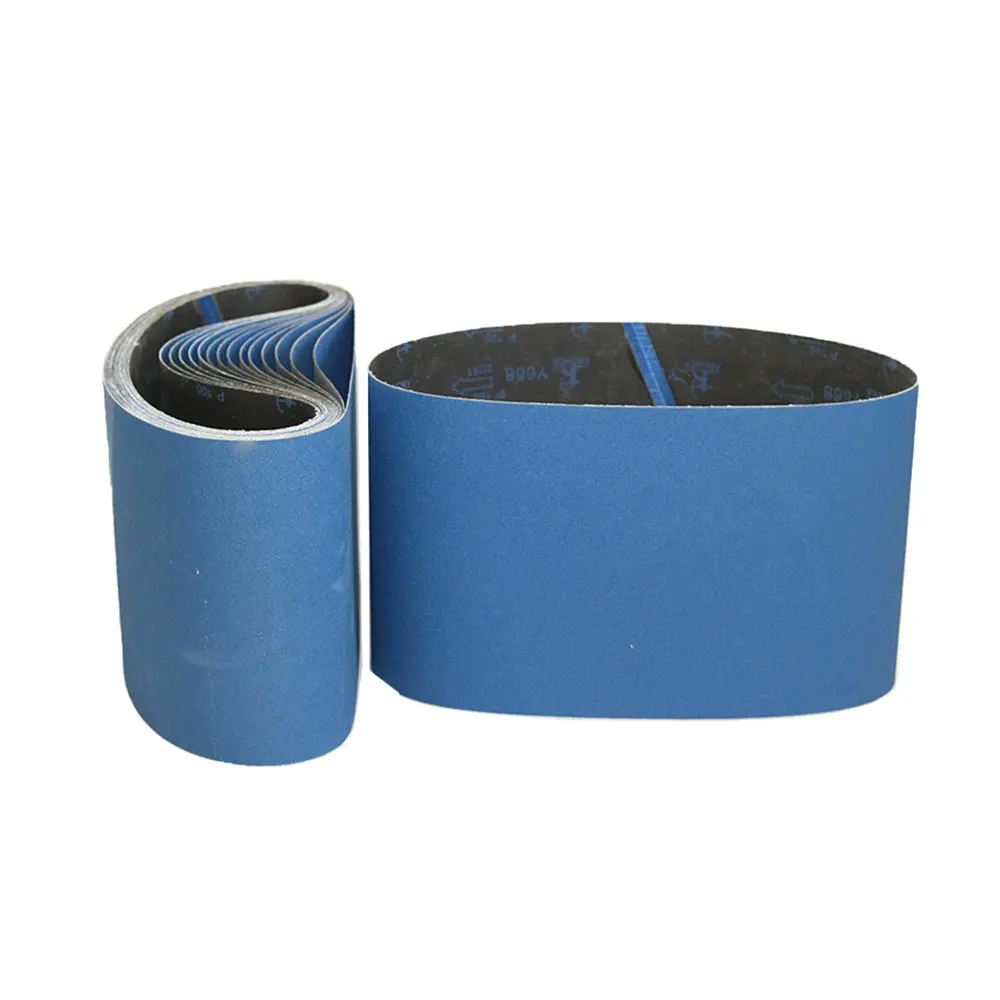
When it comes to cleaning rust off pipelines, choosing the right abrasive belt is really important. Rust can build up on pipelines over time, making them weaker and less effective. To keep pipelines in good shape, companies like Aimchamp help workers pick the best grit size for their abrasive belts. The grit size is how rough or smooth the surface of the abrasive belt is. A coarser grit can remove rust more quickly, but it might also scratch the metal underneath. On the other hand, a finer grit will clean the surface better without causing damage. Finding the right balance can make a big difference in the job.
What Grit Size of Abrasive Belt is Best for Effective Pipeline Rust Removal?
When choosing an abrasive rolls belt for rust removal on pipelines, it is important to think about the grit size. Grit sizes are measured in numbers, and the lower the number, the rougher the belt is. For example, a 40-grit belt is very rough and can quickly take off thick layers of rust. This is great for heavy rust that has built up over years. However, if you use it too much, it can scratch the pipeline surface, which is not good. A 60-grit belt is a bit less rough and works well for removing moderate rust without doing too much damage. If the rust is light or if you want a smoother finish, you might choose 80-grit or even 120-grit belts. These finer belts clean nicely and leave a good surface to paint or coat later. Aimchamp recommends starting with a coarser grit to remove the bulk of the rust, then switching to a finer grit for a nice finish. This two-step process helps to ensure pipelines stay strong and last longer.
How to Choose the Right Grit Size of Abrasive Belt for Pipeline Applications?
Choosing the right grit size of an abrasive belt for pipeline work is not always easy. First, you should look at how much rust is on the pipeline. If the rust is heavy, start with a coarse grit, like 40 or 60. This allows you to remove a lot of material quickly. After that, switch to a finer grit to smooth everything out. Consider the type of metal your pipeline is made from too. Some metals are softer and might get scratched easily, so it’s good to be careful. Also, think about the job you are doing. If you need to paint or coat the metal after cleaning, a finer grit will help the paint stick better. Don't forget about the speed of your machine and how much pressure you are applying. Too much pressure can wear down the belt quickly. Aimchamp suggests testing on a small area first to see how the grit works on the metal. This way, you can be sure you are making the best choice for your pipeline.
Where to Find Wholesale Abrasive Belts for Pipeline Rust Removal
When looking for abrasive belts to remove rust from pipelines, it is important to know where to find them at wholesale prices. Wholesale means buying in bulk, which can save you money. One great way to find wholesale sand paper abrasive belts is by searching online. Many companies, including Aimchamp, sell these belts at lower prices when you buy a lot. You can visit websites that focus on tools and supplies for construction or maintenance. Look for sections labeled “abrasive belts” or “rust removal tools.” It is also smart to check if there are any reviews or ratings from other customers. Good reviews often mean that the product is effective and of high quality.
Another way to find wholesale abrasive belts is to visit local hardware stores or supply shops that focus on construction materials. Sometimes these stores offer discounts if you buy multiple belts at once. It is a good idea to call ahead and ask if they have the specific size and grit you need for pipeline rust removal. You can also ask if they have any sales or special deals. Don’t forget to ask about the brand too, as Aimchamp offers reliable products that many find helpful. Another option is to join forums or community groups online where people talk about tools and maintenance. Members often share where they buy their supplies and which brands work best.
How to Choose the Right Abrasive Belts for Pipeline Rust Removal
When you are ready to buy high-quality abrasive belts for rust removal, make sure to look for the right grit size. The grit size is how rough or smooth the belt is. For pipeline rust removal, you want belts that are not too rough but also not too fine. Aimchamp offers different grit sizes, and it’s important to understand which ones to choose. A good starting point is to use a medium grit, such as 80 or 120. These sizes are rough enough to remove the rust but gentle enough to not damage the pipeline.
Once you have the right grit size, you can increase efficiency by using a belt sander or a similar tool. These tools help speed up the process and make it easier to remove stubborn rust. If the rust is very thick, you might start with a coarser grit, like 60, to get rid of the heavy rust. After that, switch to a finer grit, like 120, to smooth the surface. This method helps ensure that you do not scratch or harm the metal while cleaning it. Always remember to wear safety gear, like gloves and goggles, when working with power tools and abrasive cloth roll materials. Aimchamp provides guidance on how to use their products safely and effectively.
Finding the right abrasive belts for pipeline rust removal is essential for a successful job. Look online and in local stores for wholesale prices, and pay attention to grit sizes that work best for your needs. Aimchamp is a trusted name that offers various options for anyone looking to tackle rust on pipelines. By choosing the right grit size and using the right tools, you can make the rust removal process quicker and easier. Always prioritize safety and quality to achieve the best results.